

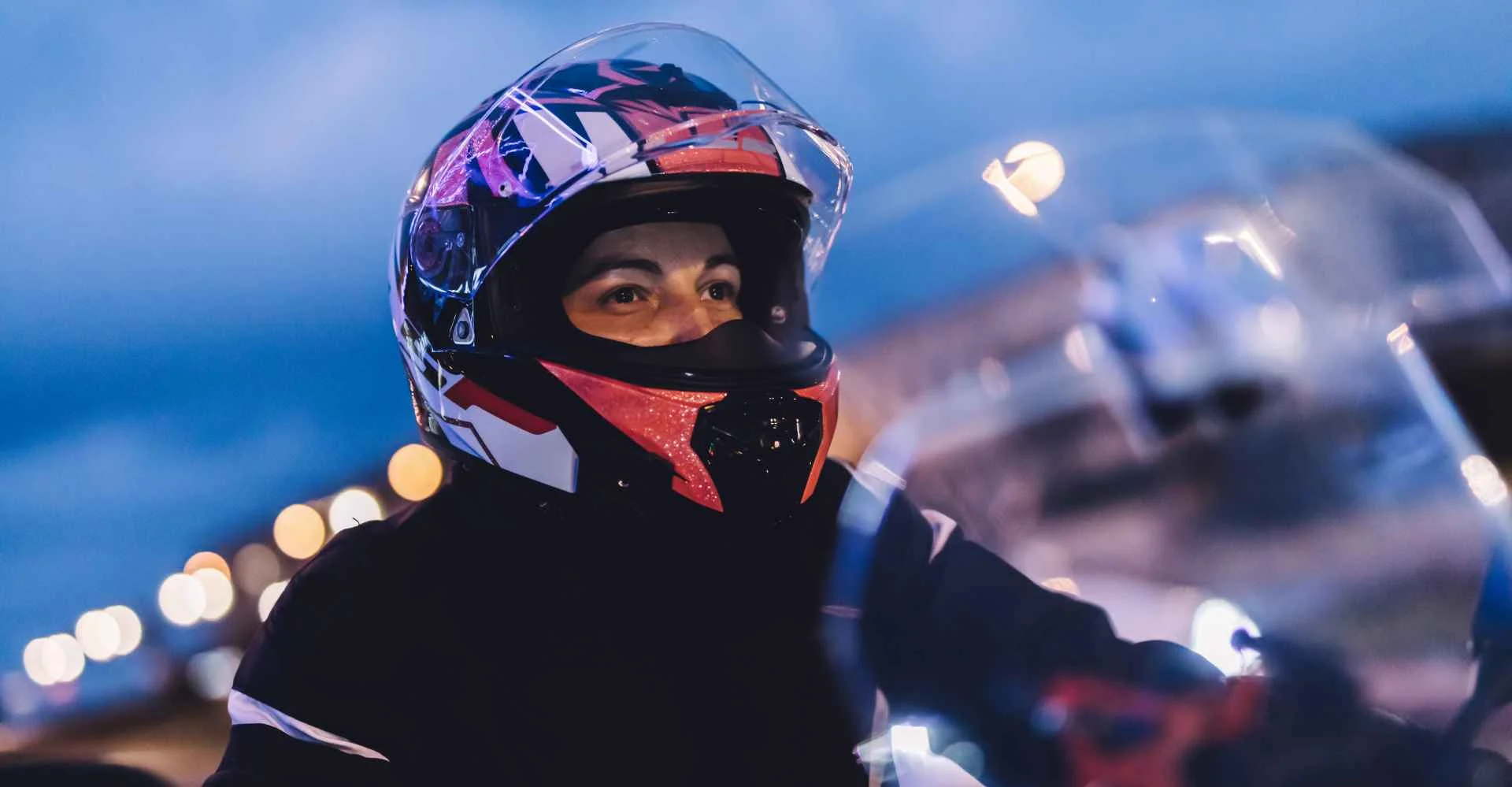
5 signs that you are a bad motorcycle riderThese signs include not only poor driving skills, but also dangerous habits and irresponsible behavior. Here are 5 important signs that you are a bad motorcycle rider:
1. **Uncontrolled and Jerky Driving:** Unlike a good motorcycle rider, a bad motorcycle rider has difficulty controlling his motorcycle and his ride is jerky and unsafe. * **Sudden and Harsh Movements:** He suddenly opens and closes the gas or brakes, turns the steering wheel harshly. This disrupts the balance of the motorcycle and reduces its handling. * **Difficulty in Shifting Gears:** He cannot change gears smoothly, the engine shakes or the chain rattles during shifts. This can damage the motorcycle's mechanical parts and reduce riding comfort. * **Instability in Corners:** He enters corners at the wrong speed, panics in the corner, has difficulty leaning or straightening the motorcycle. This can cause failure to take the corner or fall. * **Low Speed Instability:** Has difficulty controlling the motorcycle at low speeds or during maneuvers (e.g. U-turns, parking), has to put his feet on the ground or falls the motorcycle. * **General Feeling of Insecurity:** Anyone watching or sitting behind the driver constantly feels insecure, fears sudden movements and loss of control. 2. **Dangerous and Reckless Driving Style:** A bad driver is not only incompetent, but also exhibits dangerous and reckless behavior. He puts his own and others' safety at risk. * **Excessive Speed:** Constantly exceeds the legal speed limit, drives at speeds that are not suitable for road and weather conditions. Speed obsession takes precedence over safety. * **Dangerous Maneuvers in Traffic:** Dangerously slaloms between lanes in heavy traffic, passes between vehicles unnecessarily, and squeezes other drivers. * **Violation of Traffic Rules:** Passes through red lights, does not obey stop signs, does not signal or gives wrong signals when turning, violates lane lines. Does not respect traffic rules. * **Insufficient Following Distance:** Gets too close to the vehicle in front of him, creates a risk of collision in case of sudden braking. Does not care about safe following distance. * **Driving While Drunk or Fatigued:** Rides a motorcycle under the influence of alcohol or drugs, goes on a ride despite being tired or sleepy. This situation seriously impairs reaction time and decision-making ability. 3. **Indifference and Carelessness to Motorcycle Maintenance:** While a good driver takes care of his motorcycle, a bad driver neglects its maintenance and misuses his motorcycle. * **Neglecting Maintenance Periods:** Misses periodic maintenance periods (oil change, filter change, spark plug check, etc.), does not have regular maintenance done on his motorcycle. * **Not Checking Tire Pressure:** Does not check tire pressure regularly, drives with incorrect pressure. This negatively affects road holding, braking and tire life. * **Riding with Worn Parts:** Does not replace important parts such as worn tires, brake pads, chains or gears, continues to drive with these parts. Increases safety risk. * **Ignoring Abnormal Sounds and Malfunctions:** Ignores abnormal sounds coming from the motorcycle or warning lights on the indicators, does not care about malfunctions or wants to postpone them. * **Misusing the Motorcycle:** Forces the motorcycle unnecessarily, pushes its limits excessively, shortens the life of the motorcycle with sudden and rough use. 4. **Using Incorrect or Inadequate Equipment:** A driver who cares about safety uses the right equipment, while a bad driver does not care about equipment or prefers the wrong equipment. * **Using Helmets Without Helmets or Poor Quality Helmets:** Prefers not to wear a helmet or uses low-quality, toy helmets that do not meet safety standards. Seriously increases the risk of head trauma. * **Not Wearing Protective Clothing:** Rides a motorcycle with only non-protective clothing such as shorts, t-shirts and slippers. Increases the risk of serious injury in the event of a fall or friction. * **Not Using Gloves and Boots:** Does not wear basic protective equipment such as gloves and boots. Although hands and feet are among the most injured areas, they do not provide protection. * **Preferring Fashionable but Unsafe Equipment:** Chooses equipment that compromises safety just because it is stylish or fashionable. For example, leather jackets without protective pads or short boots that leave the ankles exposed. * **Using Equipment Improperly:** Not fastening the helmet strap, leaving the jacket zipper open or not wearing protective equipment correctly. This reduces the protective effect of the equipment.
0 Yorum
Yorum Yaz
Facebook'tan gelen ziyaretçiler üyelik açmadan yorum yapabilir.